
Scars Masks and Identity
The Cabin at the End of the WorldThis flow connects bodily marks and covered faces to the novel’s questions about memory, recognition, and moral identity.
increasing Bearing strength in each event
 decreasing
Bearing strength in each eventdecreasingWen’s Visible Scar
Wen’s Visible Scar
A Repaired Face
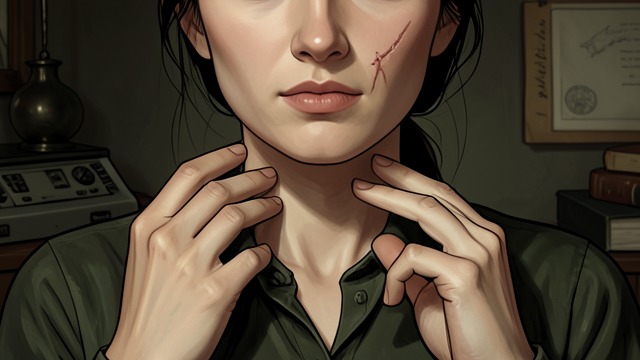
Wen has a faint scar from surgeries to repair her cleft lip. She sometimes wishes it would disappear and sometimes traces it deliberately.
A Personal History
Her feelings connect her present face to the baby she was and to the unknown circumstances of her adoption. The scar is not simply damage to be hidden.
Wen’s bodily memory complicates other characters’ assumptions about what counts as a mark of injury.
Andrew’s Hidden Scar
Andrew’s Hidden Scar
A False Explanation
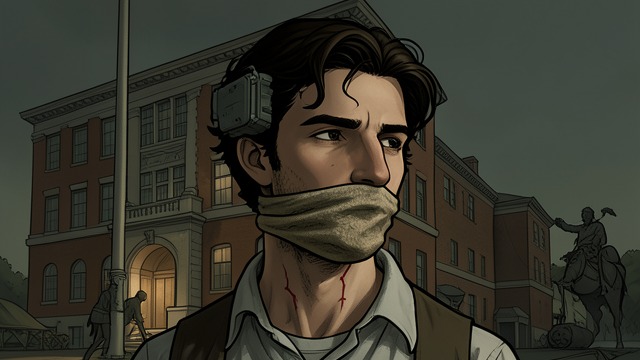
Andrew has told Wen that his neck scar came from a childhood accident. The real wound came from Jeff O’Bannon’s assault.
The Truth Reappears
When Andrew identifies Redmond as O’Bannon, the scar becomes evidence of a concealed history of violence. Leonard’s questions force Andrew to explain why he lied to Wen.
The mark joins private family protection to public hatred and its lasting consequences.
Faces Behind the Mask
Faces Behind the Mask
A White Covering
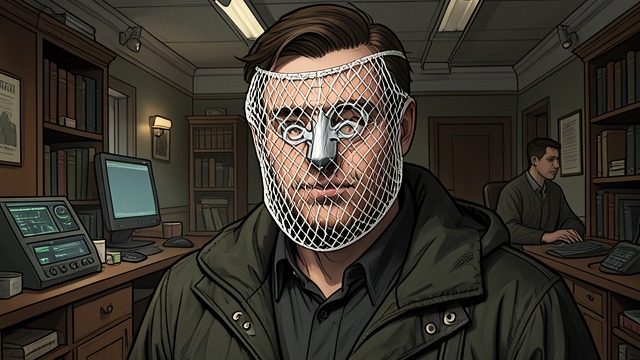
Redmond pulls a white mesh mask over his face before the first ritual killing. It changes his appearance and muffles his voice.
A Role Assumed
The group’s attention fixes on the masked figure as though it marks a transformation. Andrew still recognizes a familiar hostility in the posture beneath it.
The mask obscures identity without erasing the history that the family recognizes.
Masks for the Dead
Masks for the Dead
Ritual Covering
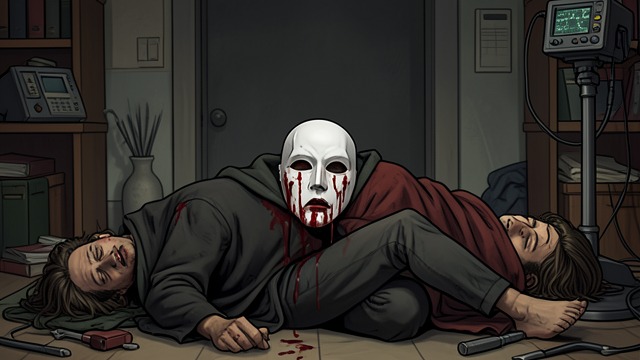
Leonard places a mask over Adriane’s face, and Sabrina later covers Leonard’s damaged head. These acts follow an unexplained procedure.
Identity Reduced
The masks conceal people the group has killed, turning their bodies into images within a ritual. The white fabric quickly stains with blood.
The visual contrast between a clean covering and violent death cannot make the deaths orderly or acceptable.
The Family’s Marks
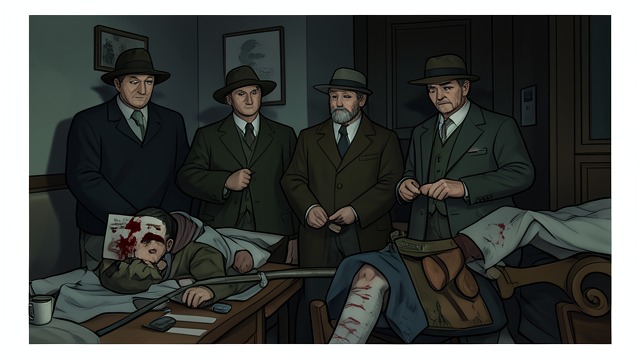
The Family’s Marks
Injury and Memory
Eric bears a head wound, Andrew limps with an injured knee, and both carry the visible and invisible effects of the siege. Wen’s wrapped body is their most devastating mark of loss.
Identity Beyond Damage
Their injuries do not become proof that the visitors’ ritual was right. Eric and Andrew continue to recognize one another through love and shared memory.
The novel treats bodily marks as records of experience, not explanations or moral verdicts.
Before Leonard approaches
During the second morning’s captivity
Before Redmond’s death
After Adriane and Leonard die
As Eric and Andrew leave the cabin
